Christmas Mice Watercolor Funny Clipart
As a designer who spends more time than I care to admit staring at stitch charts and testing thread tension, I approach every new digital asset with a healthy dose of skepticism. The embroidery market is flooded with clipart that looks charming on a screen but falls apart under the needle. That is why when I first laid eyes on Christmas Mice Watercolor Funny Clipart, I didn’t just see cute mice; I saw a potential commercial product. I needed to know if this Illustrations category entry could survive the transition from a flat digital file to a textured, stitched reality.
I recently put this design through its paces for a custom holiday order. The client wanted something whimsical yet professional for a boutique line of embroidered tote bags and nursery items. My goal was to determine if this machine embroidery design would hold up in real-world production, specifically regarding detail retention, color contrast, and overall visual appeal. Here is my honest review based on actual stitching tests and project planning.
First Impressions: Mood and Visual Personality
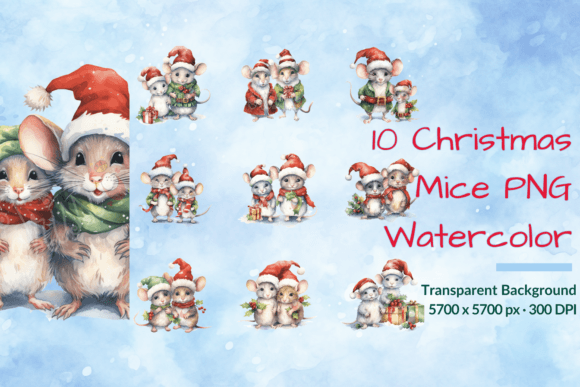
The moment you open the file, the watercolor aesthetic stands out. Unlike rigid vector graphics that can look stiff when converted to stitches, the soft edges and blended hues of this embroidery file suggest a gentle, handcrafted feel. The "funny" aspect of the clipart comes through in the expressive poses of the mice, which adds character without relying on overly complex details that might get lost in dense stitching.
For designers looking to add personality to their handmade product lines, this design strikes a balance between playful and polished. It feels like it belongs in a high-end craft fair booth or a curated Etsy shop rather than a mass-produced discount store. The visual weight is moderate, making it versatile enough for various applications, from small accessories to larger home decor items. When I mocked this up as a printable mockup for a social media preview, it immediately grabbed attention because it felt warm and inviting—a key factor in driving buyer engagement for seasonal goods.
Real-World Application: Where This Design Shines
In my experience, the best design assets are those that offer flexibility. This Christmas-themed clipart is particularly strong for holiday embroidery projects. I tested the layout on a few different garments and accessories to see where it fit best naturally.
- Tote Bag Design: Placing this on a canvas tote creates an instant statement piece. The watercolor style contrasts beautifully with the rough texture of canvas, giving the finished product a rustic yet refined look. It works well as a central chest placement or even as a repeated pattern along the side seams.
- Baby Embroidery: For nursery decor or baby clothes, the softness of the watercolor effect translates well. It avoids the harsh lines that can sometimes make embroidery look too aggressive for infants. This makes it an excellent choice for personalized gifts for baby showers or winter holidays.
- Sweatshirt Embroidery: On heavier fabrics like fleece or cotton blends, the design holds its shape nicely. However, the placement matters. A centered back print or a small left-chest logo both work, provided the hoop size allows for proper stabilization.
- Embroidered Patch: If you plan to turn this into a detachable patch, the clean outer edges of the watercolor style help define the boundary, reducing the need for excessive satin stitching around the perimeter.
From a craft business perspective, this design has high giftability. Customers love unique, non-generic holiday items. By using this specific clipart, you are offering something that feels bespoke, which can justify a higher price point for your small shop product.
Technical Performance and Stitching Considerations
No matter how pretty a design looks on a monitor, its true value lies in how it stitches. When evaluating this digital embroidery file, several technical factors came into play.
The detail level is impressive but requires careful management. The watercolor effect relies on subtle color shifts and soft gradients. In embroidery, these are often achieved through satin stitch variations and strategic use of fill stitch. If the stitch density is too high, the fabric can pucker, distorting the delicate mouse features. Conversely, if it is too low, the image may look sparse and lack the intended charm.
I found that the design performs best when digitized with a focus on running stitch for fine details and lighter fill areas. This helps maintain the airy, painted look of the original art. For the outlines, a carefully placed satin stitch provides definition without overwhelming the softer interior elements.
Thread color selection is critical. Because the source is watercolor, choosing threads that mimic those blended tones is essential. Solid, bright primary colors will make the design look cartoonish and cheap. Instead, opt for muted, tonal thread palettes that echo the original illustration’s mood. This attention to color harmony significantly boosts the professionalism of the final piece.
Where to Use Carefully
While this design is versatile, there are specific scenarios where it may not perform as well. I recommend exercising caution in the following situations:
- Small Hoop Sizes: If you attempt to stitch this in a very small hoop (under 4 inches), the fine details of the watercolor effect may become muddy or indistinguishable. Ensure the design fits comfortably within your target hoop size with adequate margin.
- Textured and Stretchy Fabrics: While it works on canvas, highly textured fabrics like bouclé or stretchy knits can distort the smooth lines of the clipart. Always test on scrap fabric first to check for distortion.
- Dense Stitch Areas: Avoid placing this design over existing heavy embroidery or thick seams. The additional bulk can cause puckering and affect the drape of the garment.
- Curved Surfaces: Stitching on caps or curved hat panels requires precise hooping techniques. The watercolor style, which relies on horizontal and vertical balance, may warp if the hooping tension is uneven.
Practical Designer Notes for Success
To ensure your finished product meets professional standards, follow these practical steps before committing to a full run:
- Test on Scrap Fabric: Never assume a design will stitch perfectly on your final material. Test it on the exact fabric type, including any interfacing or stabilizer you plan to use.
- Check Thread Contrast: Review the design in black and white mockups to ensure sufficient contrast between elements. This helps identify areas where thread colors might blend together unintentionally.
- Inspect Small Details: Zoom in on the digital file to check for tiny elements that might be difficult to stitch accurately. You may need to simplify certain details during the digitizing process.
- Confirm Licensing: Before selling any commercial embroidery items, verify the license terms associated with the clipart. Ensure you have the right to sell finished goods created with this design, especially if you are an Etsy seller or running a craft business.
- Use Proper Stabilizer: The choice of stabilizer can make or break the stability of the design. For lightweight fabrics, a cut-away stabilizer is often necessary to prevent shifting and distortion during washing.
Ultimately, Christmas Mice Watercolor Funny Clipart is a strong candidate for designers seeking to add a touch of whimsy to their holiday collections. Its success depends largely on thoughtful execution—choosing the right fabrics, threads, and stabilizers. When done correctly, it transforms from a simple digital image into a tangible, beloved personalized gift that customers will cherish. As a reviewer, I give this design a thumbs up for its versatility, charm, and potential to elevate a brand’s aesthetic, provided the technical aspects are handled with care.