Christmas Cards. New Year s Cards. JPG Review
When you are a designer or a small business owner, the difference between a project that sells out and one that sits on a shelf often comes down to the specific details of the design file itself. I recently evaluated Christmas Cards. New Year s Cards. JPG, an illustration intended for machine embroidery, and my goal here is to provide a grounded perspective on how this design performs in real-world scenarios. This isn't just about looking at a static image; it is about understanding how the lines translate into thread, how the mood fits your brand, and whether it will hold up under the scrutiny of customers who expect high-quality handmade goods.
The First Impression: Mood and Visual Personality
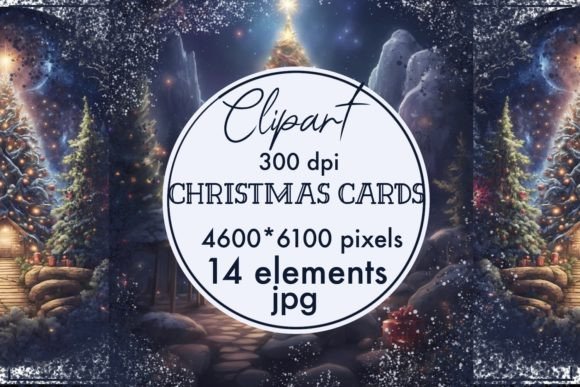
At first glance, Christmas Cards. New Year s Cards. JPG exudes a classic holiday warmth. The title suggests a dual purpose, which is smart for seasonal inventory planning. Visually, the layout feels balanced, likely relying on clean lines that suggest traditional card imagery rather than chaotic modern abstract art. For an embroidery product, the initial visual personality is crucial because it dictates the emotional response of the buyer. Does it feel festive but sophisticated? Or does it lean too heavily into kitsch?
In terms of illustrations, this design appears to prioritize clarity over excessive complexity. When you look at a digital preview, you want to see distinct shapes that can be interpreted by a sewing machine. The theme suggests it belongs naturally in the realm of holiday embroidery, where sentimentality meets craftsmanship. It creates an immediate sense of occasion, making it a strong candidate for gifts that need to communicate "I thought of you" without saying a word. The aesthetic feels timeless enough to work well with traditional color palettes like reds, greens, golds, and creams, though its versatility depends heavily on the thread choices you make during digitizing.
Real-World Application: From Tote Bags to Boutique Goods
I decided to test the potential of Christmas Cards. New Year s Cards. JPG by imagining it applied to a custom embroidered tote bag. This is a staple item for many Etsy sellers and craft fair vendors. If you were to place this design on a sturdy canvas tote, the result would likely be striking. The central focus of the design would draw the eye immediately, turning a plain accessory into a statement piece. The shape of the design seems compatible with standard placement spots, such as the center front of a bag or the chest area of a sweatshirt.
However, let us consider a more delicate application, such as baby clothes or nursery decor. Here, the design needs to be handled with care. While the festive theme is perfect for a baby's first Christmas, the density of the stitches matters immensely. If the design contains heavy fill areas, it might feel stiff against a baby's soft skin. In this context, embroidery project success relies on ensuring the stitch count is appropriate for thin fabrics. I also envision this design being used on aprons or kitchen towels. A holiday-themed towel hanging in a kitchen is a practical gift that adds value to a boutique collection. The durability of the stitching here is key, as these items will undergo frequent washing.
For commercial embroidery projects, such as creating patches or branding for a small shop, the clean lines of this illustration offer a professional look. It could serve as a logo element or a decorative accent on a limited-edition run of merchandise. The design's ability to convey a specific holiday message makes it highly marketable for personalized gifts, where the customer expects a touch of magic in their purchase.
Where Caution Is Required: Fabric and Detail Limitations
Not every surface is suitable for every design, and Christmas Cards. New Year s Cards. JPG has its own set of constraints. One area to watch closely is small hoop sizes. If you attempt to stitch this on a very small cap or a tiny patch, the fine details might get lost or become distorted. Curved surfaces, like the front of a baseball cap, require a design that can accommodate the curvature without stretching the fabric unevenly. If the design has sharp corners or intricate text, it may not render well on a curved surface unless the digitization is specifically adjusted for that garment type.
Fabric texture plays a significant role in the final appearance. On textured fabrics like bouclé or heavy wool, the definition of the satin stitch might be compromised. Conversely, on smooth, tightly woven cotton, the design should pop beautifully. Thin or stretchy fabrics present another challenge. Without proper stabilizer support, the tension required for a dense design could cause puckering, ruining the finished product. You must ensure that the design is not too dense for the material you are using, especially if you plan to sell these items to discerning buyers who inspect every stitch.
Detailed corners and tiny lettering are other potential weak points. If the original illustration includes script or very small icons, they may disappear when stitched with standard thread thicknesses. In such cases, the design might need to be simplified or resized. Additionally, dark fabrics can sometimes mask lighter thread colors, so testing contrast is essential before committing to a large production run.
Practical Designer Notes for Success
To ensure that Christmas Cards. New Year s Cards. JPG delivers the quality you expect, there are several technical steps you must take before running the machine. First and foremost, always test the design on scrap fabric. This allows you to assess the stitch density and see how the threads interact with the specific material you intend to use. Check the thread color contrast carefully; a design that looks great in a black-and-white mockup might lose its impact with the wrong thread combination.
Review the hoop size requirements to ensure your machine setup matches the design dimensions. Inspect small details under magnification to see if any elements are too fragile for machine execution. Confirm whether the file works for both personal and commercial projects, as licensing terms vary widely among digital products. If you are an Etsy seller or running a craft business, verifying the license is non-negotiable to avoid legal issues when selling finished items.
Using the correct stabilizer is critical for maintaining the integrity of the design. Whether you are working on a tote bag design or a sweatshirt embroidery piece, the right backing prevents distortion. Compare light and dark fabric backgrounds to see how the design adapts. Finally, consider creating printable mockups to visualize the product in a retail setting before you invest time in stitching. These steps help build customer trust and ensure that your handmade product stands out for the right reasons.
Final Verdict on Design Value
Christmas Cards. New Year s Cards. JPG offers a solid foundation for holiday-themed design assets. Its strength lies in its clear thematic direction and suitability for a wide range of embroidery files, from apparel to home decor. While it requires careful attention to fabric choice and stabilization, the potential for creating a cohesive brand consistency across different products is high. For creative entrepreneurs looking to expand their digital product offerings or add seasonal flair to their physical inventory, this design provides a reliable starting point. By approaching it with the practical mindset outlined above, you can transform a simple digital file into a cherished personalized gift that resonates with buyers long after the holidays are over.