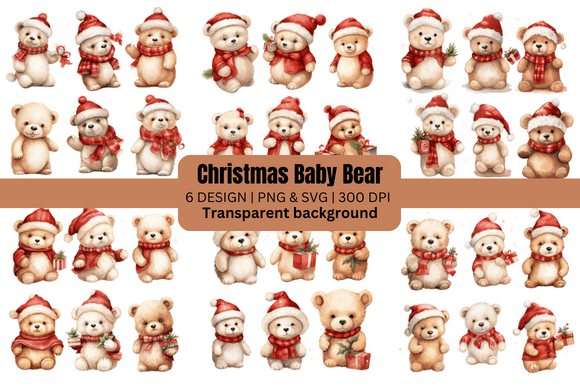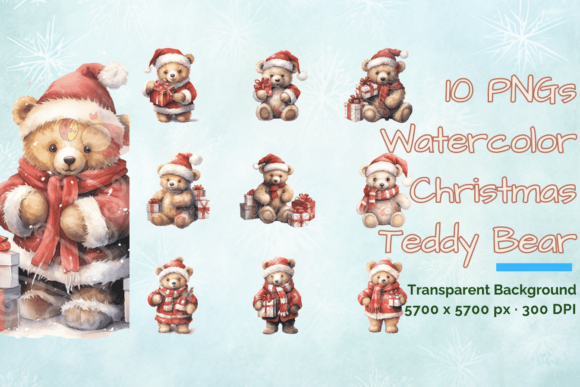
Christmas Bear Watercolor Sublimation
When I pull a new digital asset into my design workflow, I am rarely looking for just "pretty." I am looking for viability. As a designer who frequently bridges the gap between digital illustration and physical machine embroidery, my primary concern is always translation: how will this vector or raster image survive the needle, the thread tension, and the wash cycle? Today, I am evaluating Christmas Bear Watercolor Sublimation, an illustration that promises a soft, festive aesthetic. The question isn't whether it looks good on a screen; it is whether it holds up as a commercial-grade embroidery project.
The First Impression: Mood and Visual Personality
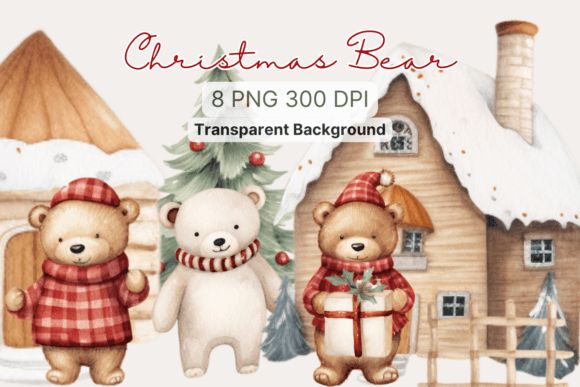
Upon initial review, the Christmas Bear Watercolor Sublimation file exudes a gentle, nostalgic warmth. The watercolor texture suggests a hand-painted origin, which is a significant selling point in today’s market where consumers are increasingly drawn to artisanal, non-corporate aesthetics. The bear itself appears approachable and cozy, fitting seamlessly into the broader category of holiday embroidery trends.
From a pure visual standpoint, the composition feels balanced. The color palette—likely dominated by deep reds, forest greens, and creamy whites typical of the season—creates a classic Christmas vibe without being overly loud. For designers targeting the Etsy seller demographic or owners of a small shop product line, this mood is gold. It evokes feelings of comfort, childhood memories, and family gatherings. However, the "watercolor" effect presents an immediate challenge for digitization. Watercolors rely on subtle gradients and bleeding edges, which do not translate directly to the binary nature of stitches. This means the success of the final finished product will depend entirely on how skillfully the underlying embroidery file is structured to mimic those soft transitions.
Real-World Application: Where Does This Design Shine?
In my experience, certain designs are versatile workhorses, while others are niche novelties. Christmas Bear Watercolor Sublimation falls squarely into the versatile category, particularly for custom apparel and gift items. Let us look at a practical scenario: preparing inventory for the holiday rush.
Imagine you are creating a line of personalized gifts for clients. This design is ideal for sweatshirt embroidery. The bear motif is large enough to serve as a focal point on the chest or back of a crewneck but delicate enough not to overwhelm the wearer. The soft aesthetic pairs beautifully with heathered grey, cream, or burgundy fabrics, creating a high-end boutique feel. It also works exceptionally well for baby embroidery projects. A onesie or a burp cloth featuring this bear can be customized with a child’s name, leveraging the gentle imagery to appeal to parents looking for nursery decor or baby shower gifts.
Beyond apparel, consider home goods. This illustration would translate beautifully to a tote bag design made from sturdy canvas or denim. The durability of the fabric supports the weight of the stitching, and the festive theme makes it a perfect seasonal accessory. Additionally, for makers specializing in embroidered patch products, this design offers strong potential. A bordered patch version could be applied to denim jackets, beanies, or backpacks, adding a touch of whimsy to everyday wear.
Technical Considerations and Stitch Execution
This is where the rubber meets the road. To achieve the watercolor look in thread, the digitizer must rely heavily on varied thread colors and precise stitch direction. If the design uses primarily fill stitch areas, there is a risk of bulkiness, especially if the bear’s features are rendered with dense shading. I recommend reviewing the stitch density carefully; excessive density can cause the fabric to pucker, ruining the clean finish that customers expect from a handmade product.
The use of satin stitch for outlines or specific details like the bear’s eyes and nose is crucial for definition. These elements need to be crisp to anchor the softer, gradient-like fill areas. If the running stitch is used for textural effects, such as fur, ensure the length is optimized so it does not tangle or break during high-speed stitching. Furthermore, the choice of stabilizer cannot be overlooked. For stretchy knits like sweatshirts, a cut-away stabilizer is non-negotiable to maintain shape over time. For woven fabrics like tote bags, a tear-away might suffice, but a lightweight cut-away provides better longevity.
Where Caution Is Required
While this design has broad appeal, it is not suitable for every application. Avoid using it on dark fabric unless you plan to use extensive underlay or a white base layer, as the light tones of the watercolor style may get lost or appear muddy. Similarly, small hoop sizes are risky. If the design contains fine details, shrinking it down to fit a 4x4 hoop may result in a loss of clarity, making the bear look indistinct. Textured fabrics, such as heavy tweed or boucle, can obscure the intricate stitch work, leading to a messy appearance. Finally, be wary of curved surfaces like caps; maintaining consistent tension across the complex curves of a watercolor-style bear can be technically demanding for less experienced operators.
Impact on Brand Value and Customer Perception
Using a high-quality digital embroidery file like Christmas Bear Watercolor Sublimation directly influences customer trust. In the world of craft business and online sales, presentation is everything. When a buyer receives a personalized gift that features clean stitches, vibrant colors, and no loose threads, they perceive higher value. This design, with its artistic flair, elevates the perceived worth of the item compared to generic clip-art styles. It signals that the seller cares about aesthetic cohesion and quality.
For commercial embroidery ventures, this design also aids in brand consistency. If your shop focuses on cozy, rustic, or family-oriented themes, incorporating this bear into your catalog reinforces that identity. It serves as a recognizable asset that buyers associate with your specific style. Moreover, the versatility of the image allows for creative marketing. You can create printable mockup images showing the bear on various backgrounds, helping potential buyers visualize the finished product in their own homes or wardrobes.
Practical Designer Notes Before You Stitch
Before committing to a full production run, I strongly advise taking a methodical approach. First, test the design on scrap fabric that matches your final material in both weight and texture. This helps you identify any puckering or tension issues early. Second, inspect the design in black and white. This grayscale check reveals contrast problems that color might hide, ensuring that the light and dark areas of the bear remain distinct after stitching.
Additionally, verify the licensing terms associated with the Christmas Bear Watercolor Sublimation file. While many design assets allow for personal use, commercial rights vary widely. Ensure you have the appropriate license to sell finished items derived from this illustration, especially if you are listing them on platforms like Etsy or Amazon Handmade. Finally, compare different thread colors against your chosen fabric. Sometimes, a slight adjustment in thread shade can make the difference between a mediocre stitch-out and a stunning piece of wearable art.
In conclusion, Christmas Bear Watercolor Sublimation is a compelling addition to any designer’s library. Its charming aesthetic and broad applicability make it a strong candidate for seasonal collections. By paying close attention to digitization techniques, fabric choices, and quality control, you can transform this digital illustration into a profitable and beloved embroidery project that resonates with customers year after year.