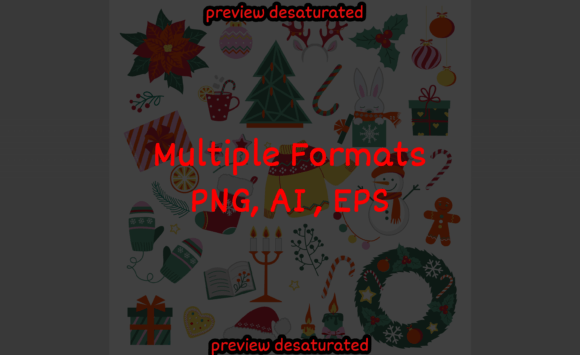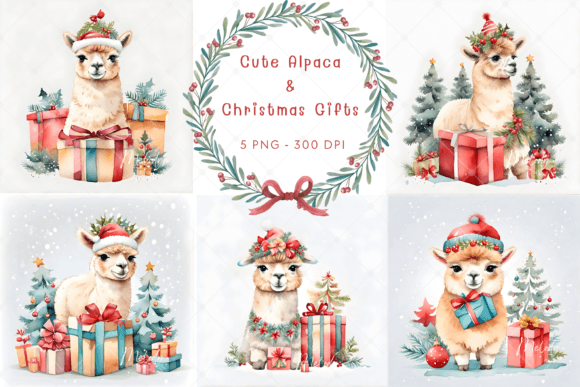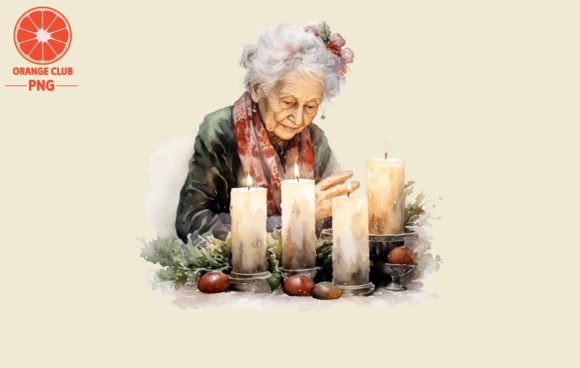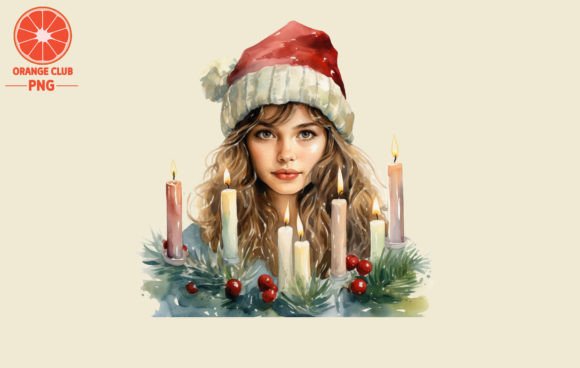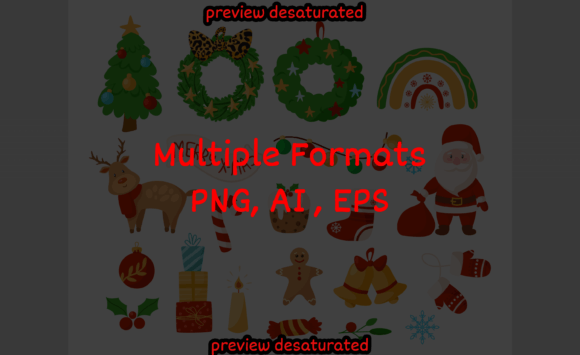
Christmas Background with Elements Chris
As a designer who spends more time staring at stitch charts and fabric swatches than sleeping, I approach every new digital asset with a healthy dose of skepticism. The market is flooded with clipart that looks beautiful on screen but falls apart under the needle. That is why I took Christmas Background with Elements Chris for a real-world spin. This isn’t just about how it looks in a preview window; it’s about how it behaves when you are trying to create a sellable, high-quality handmade product for your shop or a cherished gift for family.
I pulled up this Illustrations category file to test its viability for a holiday collection I am building. My goal was to see if it could stand out as a premium machine embroidery design rather than looking like generic, mass-produced clip art. Here is my honest breakdown of what works, where it shines, and where you need to be careful before hitting start on your machine.
First Impressions: Mood and Visual Personality
The moment you open the file, the layout communicates a clear narrative. It feels festive but not cluttered. In the world of holiday embroidery, there is a fine line between "cozy" and "overwhelming." Christmas Background with Elements Chris manages to walk that line well. The visual personality is warm and inviting, which is exactly what buyers look for when they are browsing Etsy listings or walking through craft fairs.
What stands out immediately is the balance of elements. It doesn’t scream for attention with aggressive colors or chaotic shapes. Instead, it offers a cohesive scene that suggests a story. For an embroidery project intended for personalization, this background provides enough detail to feel luxurious without demanding so much thread count that the fabric puckers. It feels like a professional design asset, one that elevates the perceived value of whatever item it is stitched onto.
Real-World Application: Where Does It Fit?
I tested this design mentally across several common small business products. The versatility here is its strongest selling point. Let’s look at how it performs in specific scenarios:
- Tote Bag Design: This is perhaps the most natural fit. A canvas tote bag requires a design that can handle a large surface area without looking sparse. The background elements fill the space beautifully, creating a complete look that feels intentional. It transforms a plain bag into a statement piece perfect for holiday shopping or winter outings.
- Sweatshirt Embroidery: Think about those oversized, cozy knits popular right now. Stitching this onto the chest or back of a sweatshirt creates a lovely contrast between the soft fabric texture and the structured stitches. It works particularly well if you use a mix of satin stitch for outlines and fill stitch for the background elements to add depth.
- Baby Embroidery: For nursery decor or baby gifts, the softer mood of this design is appropriate. It is gentle enough for a onesie or a blanket border. However, you must be mindful of the scale. On a tiny garment, some of the smaller background details might get lost unless you digitize them carefully.
- Custom Apparel and Aprons: If you are making kitchen towels or aprons for holiday hosting, this design adds a touch of elegance. It moves away from the cliché Santa faces and leans into a more sophisticated aesthetic that appeals to buyers looking for boutique branding.
The design also lends itself well to embroidered patches. Because the elements are contained within a defined background, it creates a neat package that can be easily applied to caps, hats, or denim jackets. It gives that rugged, customized look that is very popular in streetwear-inspired fashion.
Technical Considerations and Stitch Density
Here is where we need to get practical. As a reviewer, I have to warn you about the technical side of things. Not all digital embroidery files are created equal, and even the best designs require proper execution.
Stitch density is crucial here. If the background elements rely heavily on dense fills, you risk making the fabric stiff. For items like tote bags or aprons, a slightly lighter touch often yields a better drape. I recommend checking the stitch distribution in your software. If you see large blocks of solid color, consider using a different stitch type, such as a combination of running stitch and light fills, to maintain fabric flexibility.
You must also pay close attention to the thread colors. The success of this design hinges on contrast. If you plan to stitch this on dark fabric, ensure you have bright, vibrant threads available. Conversely, on light fabrics, pastel or muted tones might blend in too much, losing the definition of the background elements. Always test your color palette against the actual fabric you intend to use.
Where to Use With Caution
While this design is versatile, it is not a one-size-fits-all solution. There are specific situations where Christmas Background with Elements Chris might struggle:
- Small Hoop Sizes: If you are working with very small hoops (under 4x4 inches), some of the finer background details may become muddy. The eye needs room to distinguish between the different elements. Keep the scale generous.
- Textured or Stretchy Fabrics: Avoid using this on highly textured materials like chunky bouclé wool or thin, stretchy jersey knits. These fabrics can distort the alignment of the background elements, making the design look skewed or uneven. Stick to stable wovens or medium-weight knits.
- Dense Stitch Areas on Curved Surfaces: Applying this to curved surfaces like the front panel of a cap can be tricky. The background might not lay flat around the curve, leading to gaps or tension issues. If you must use it on a hat, consider reducing the size or simplifying the background elements.
- Frequent Washing: For items that will undergo heavy laundering, such as kitchen towels or baby clothes, ensure you are using a high-quality stabilizer. Without proper support, the fill stitch areas may shift over time, ruining the clean look of the design.
Designer’s Checklist for Success
Before you commit to a full production run or list this as a small shop product, follow these steps to ensure quality:
- Test on Scrap Fabric: Never assume. Stitch the design on a scrap piece of the exact fabric you plan to use. Check for puckering, thread breaks, and overall clarity.
- Black and White Mockup: Convert your design to black and white in your digitizing software. This helps you see if the composition holds up without the distraction of color. If the shape reads clearly in grayscale, it will likely work well in embroidery.
- Inspect Small Details: Zoom in on the smallest elements. Are they distinct? Will they survive the stitching process? If details are too thin, they may tear or disappear.
- Confirm Licensing: If you are planning to sell finished items, double-check the license terms. Some design assets allow personal use only, while others permit commercial sales. Protect your business by ensuring you have the right permissions.
- Check Stabilizer Compatibility: Match your stabilizer to the fabric weight. Heavy cut-away stabilizers are usually best for dense designs, while tear-away might suffice for lighter projects.
Final Verdict
Christmas Background with Elements Chris is a strong contender for anyone looking to add a touch of professional flair to their holiday lineup. It strikes a balance between festive cheer and sophisticated design, making it suitable for a wide range of products from personalized gifts to commercial embroidery projects. By paying attention to stitch density, fabric choice, and proper stabilization, you can turn this digital file into a stunning physical product that customers will love.
It is not just another clipart file; it is a tool that, when used correctly, can elevate your brand and engage buyers who appreciate quality craftsmanship. Just remember to test thoroughly and respect the limitations of your materials. Happy stitching!